






Louer UnGite en France

Twenty-five piecesFive sectionsWritten in English

A lauze stone-slab roof seen from directly above, showing the overlapping courses of flat schist slabs, Périgord

The law and the market

A stone house rates badly, and from 2025 the worst-rated cannot be let

The loi Le Meur, passed in November 2024, cut the tax allowance on meublés de tourisme, let communes cap and register them, and brought the DPE energy rule forward: G-rated dwellings barred from letting in 2025, F-rated in 2028.

Photo: Boys in Bristol Photography / Pexels

01The Law

The abattement on a standard meublé de tourisme falls from 50 % to 30 %, and on a classified one from 71 % to 50 %. A commune in a tension zone may cut primary-residence letting from 120 nights to 90.

loi Le Meur, promulgated November 2024 — what the statute actually changed

DPE — DIAGNOSTIC DE PERFORMANCE ÉNERGÉTIQUEGLetting barred, 2025FLetting barred, 2028EDCBA

A solid stone wall has mass but little thermal resistance, and the DPE measures resistance — so a well-built eighteenth-century farmhouse can score G with nothing wrong with it. That is why the rest of this site is about buildings.

Supporters

Notaires, agencies, and maisons de pays.

Support the building sections

Support the archive

02Buildings
Stone cottage wedged between massive granite boulders on a rocky coastal outcrop

One room deep, lengthened along the ridge as the family grew.

Photo: Titouan Jullien / Pexels

The Longère Runs Along the Ridge; the Penty Sits at Its End

Reads the Breton longère and the smaller penty as a single constructional system — granite end walls, exposed roof timbers, the logic of the single-pitch plan.

Weathered wooden farmhouse with grass-roofed outbuildings beside a green mountain field

Form follows material.

Photo: Maisons traditionnelles à Olden · Wikimedia Commons

Nine Building Types, and the Ground Each One Came Out Of

A comparative survey of the nine principal named rural building forms — longère, penty, mas, bastide, borie, maison de maître, pigeonnier, colombage frame, Basque etxe — set against the region and geology that produced each.

Close-up of weathered stone surface with rust-colored veins and mineral streaks

Thermal mass is not thermal resistance, and the DPE measures the second.

Photo: 高 长华 / Pexels

What a Stone Wall Does to an Energy Certificate

A technical argument: solid stone has low thermal resistance by the DPE's calculation method, which means a well-built 18th-century farmhouse can score G without a single draughty window.

Wooded limestone cliffs rise steeply above a deep river gorge under a clear sky

04 · The Land

The countryside was mapped, listed and worked before it was let

The AOC system of 1935, the Causses and Cévennes listing of 2011, Riquet’s canal and the fifty-eight parcs naturels régionaux: five pieces on the frameworks that shaped the ground the buildings stand on.

Photo: André Cogez / Pexels

·Where the pieces are
12345678910 0200 km N

Ten places, and the piece each one belongs to

Metropolitan France, drawn at true coordinates. Each numbered point is a commune or site written about here — click one to read its piece. The commune is the unit that issues building consent, and INSEE counts about 34,900 of them as of January 2024.

  • a numbered point is a place written about here — click it for the piece
  • France: coast and land border, at true coordinates
  • neighbouring countries, shown for context only
  • scale bar 200 km, lower left · north arrow, upper left
05Beginnings

Émile Aubert’s programme in the Alpes-de-Haute-Provence was a depopulation measure before it was a tourism one: money to put derelict farm buildings back into use so that families stayed on the land.

The épi grading that grew out of it measured fittings, not hospitality — the properties had no staff in them. Gîtes de France has taken on roughly 40,000 properties since; Airbnb and Booking now list more French properties than that between them.

Three pieces in Beginnings

05Materials and roofs
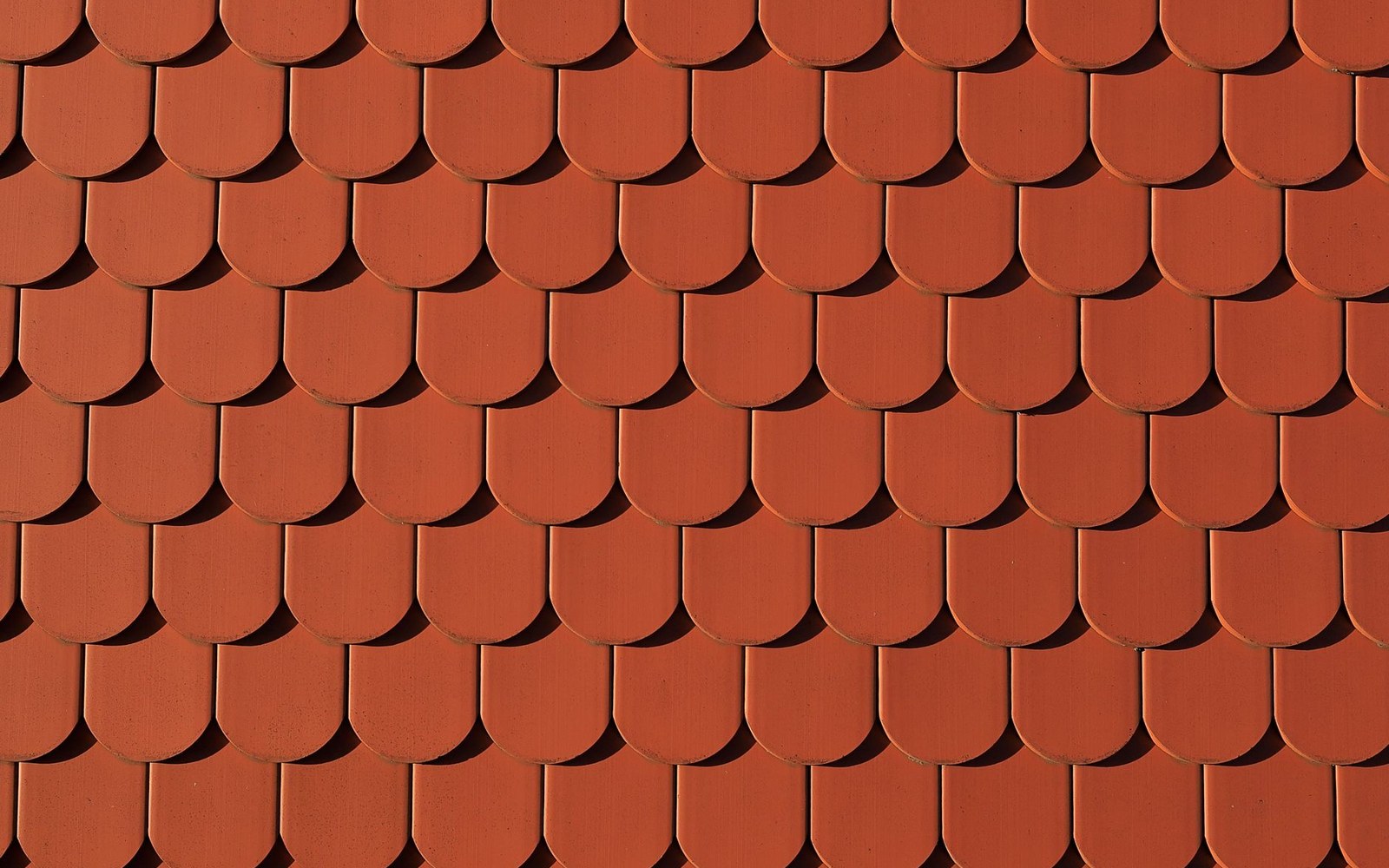
Rows of overlapping curved terracotta roof tiles arranged in a scalloped pattern
Three hundred to five hundred kilograms a square metre, laid dry on oak.

Photo: Stefan Haderlein / Pexels

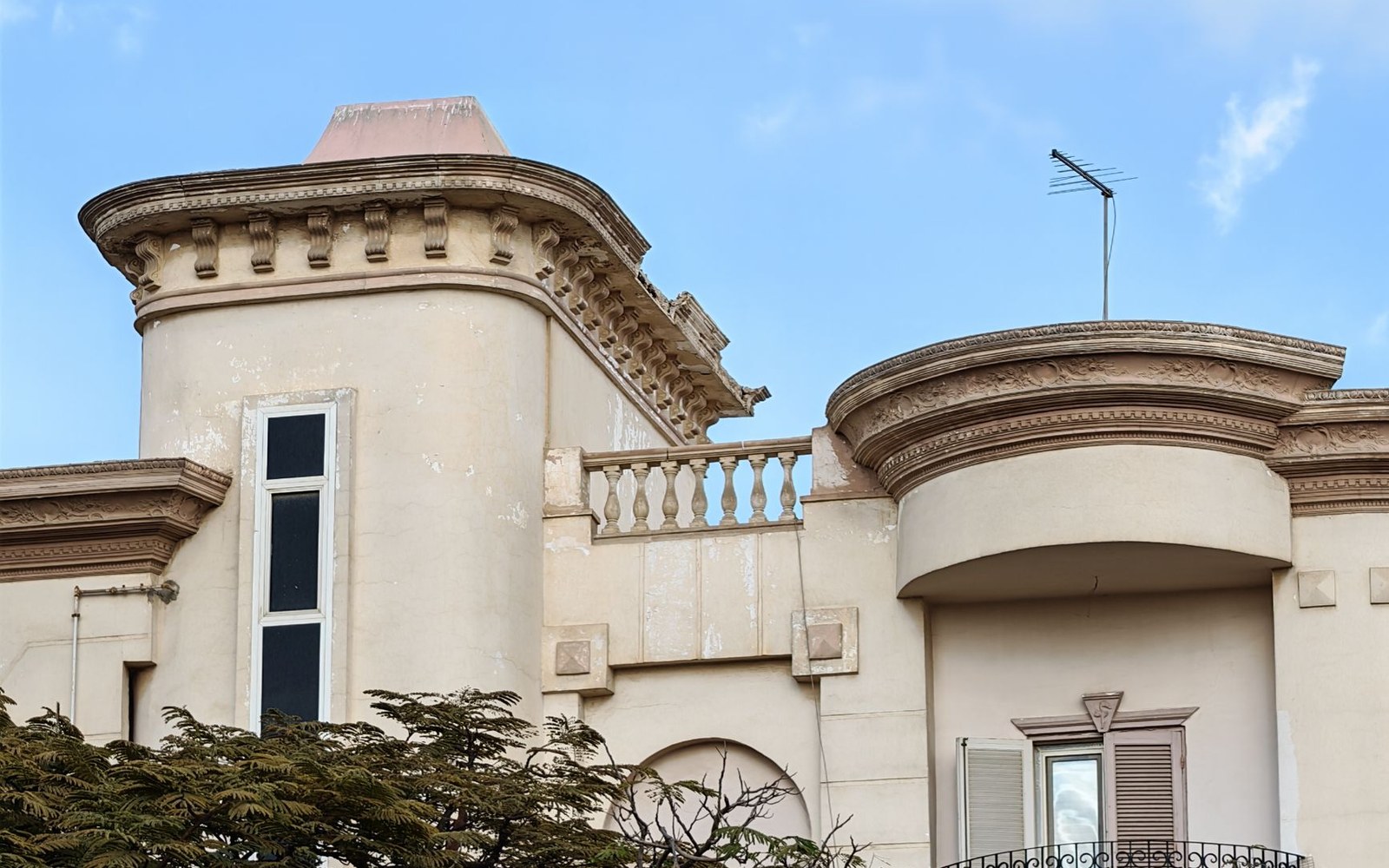
Ornate cornice and rounded turret detail on an old stucco building facade
The génoise is the shelf that carries water clear of the wall face.

Photo: Mahmoud Zakariya / Pexels

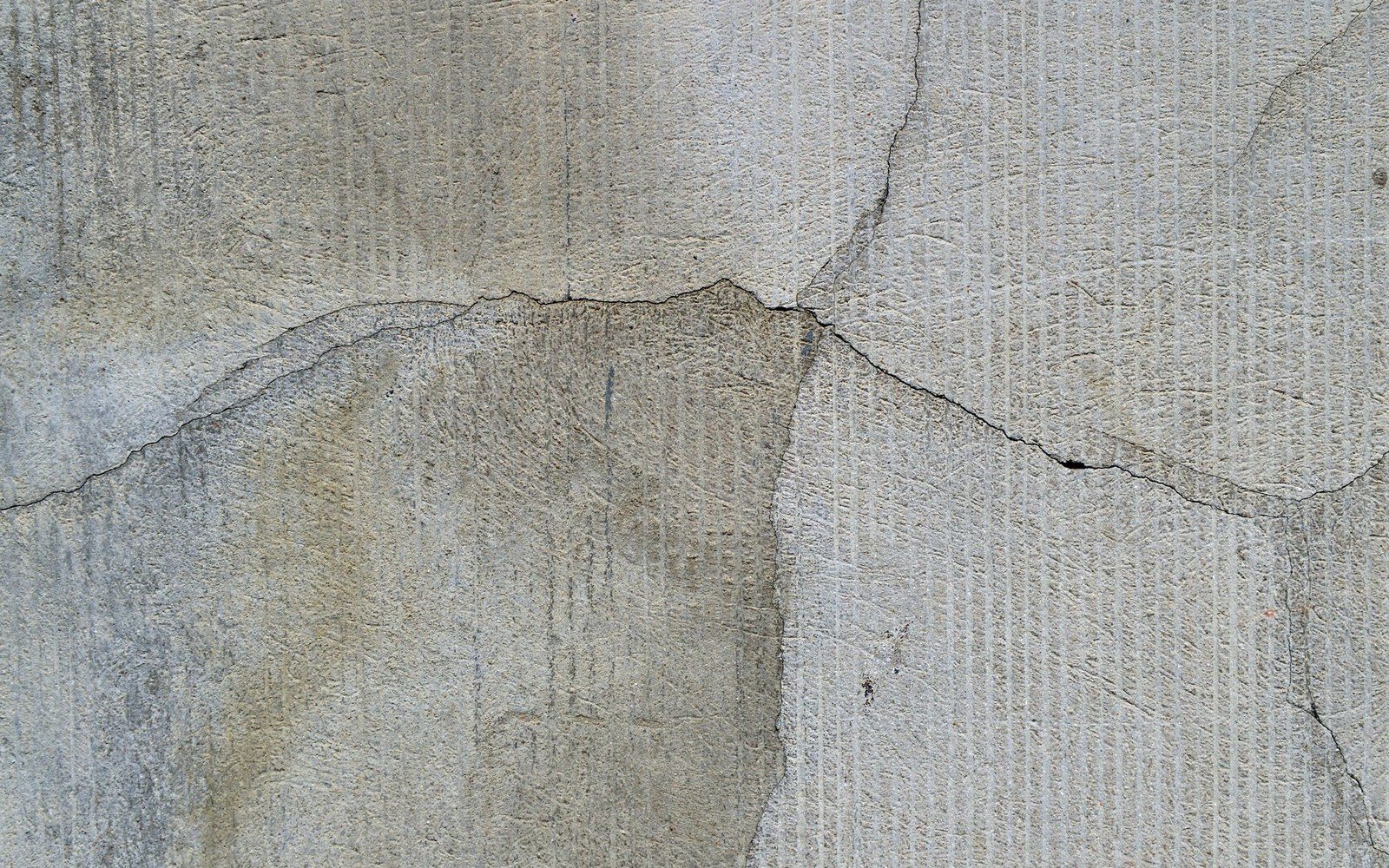
Cracked cement render on a wall showing vertical tool marks and staining
Cement seals a wall built to breathe, and the damp stays inside it.

Photo: Davis Vidal / Pexels

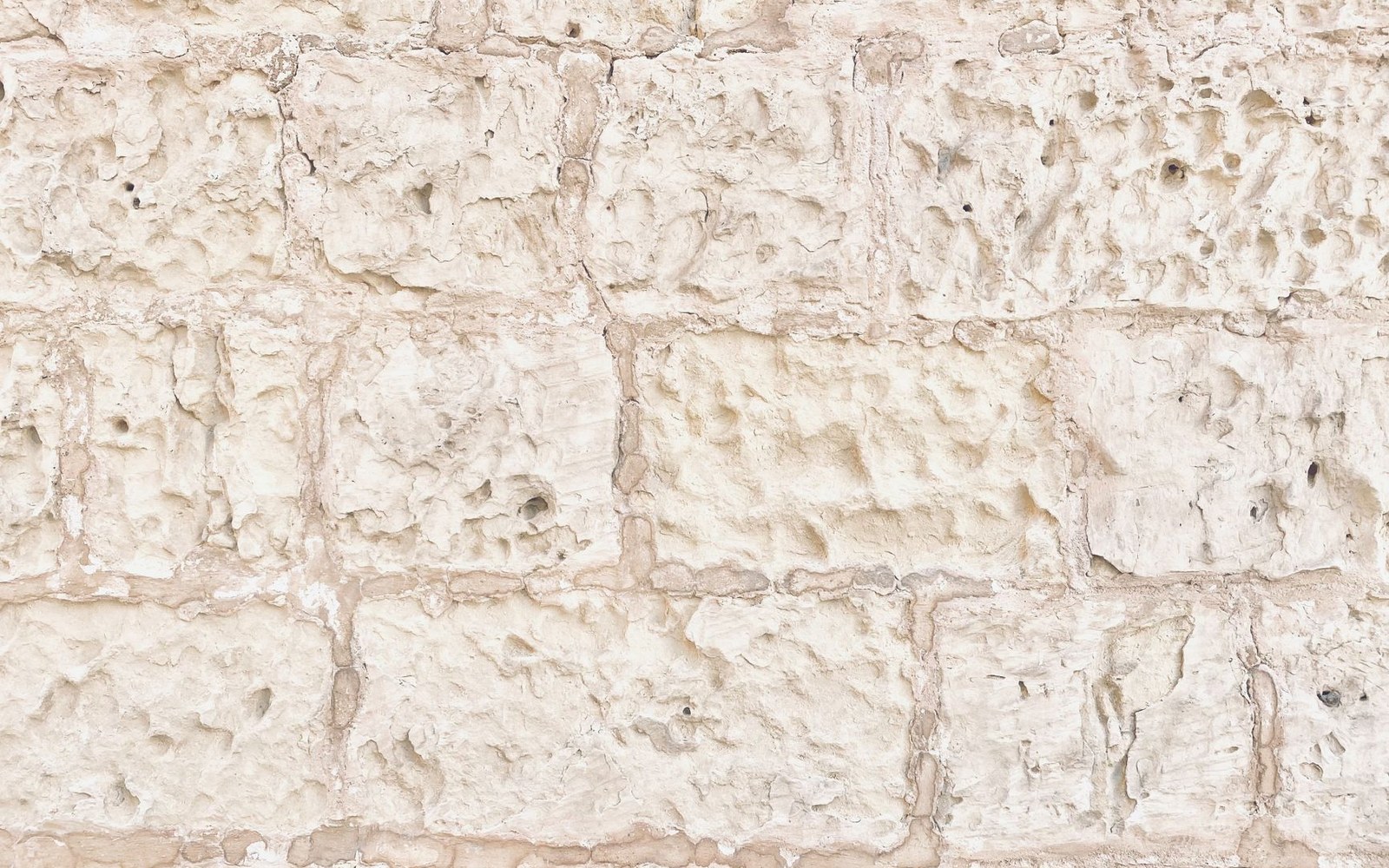
Rows of pale, weathered tuffeau stone blocks with rough textured surfaces and mortar joints
Soft enough to saw, and it weathers to white-gold.

Photo: Sora NoAo / Pexels

Six pieces in Materials and Roofs, from the 500 kg/m² lauze roof to what cement render does to a lime-mortar wall.